Adult obesity treatment enters new era with WHO-endorsed GLP-1 drugs
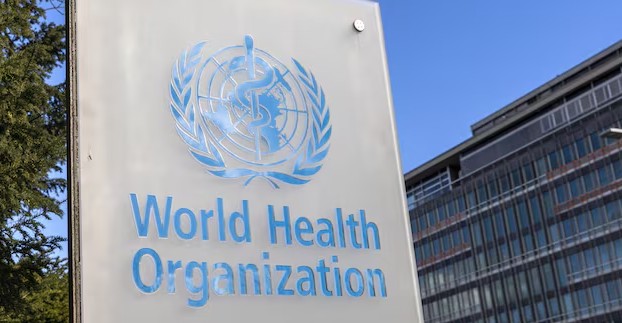
The WHO has issued conditional guidance supporting GLP-1 drugs for adult obesity, alongside lifestyle counselling, marking a shift in global treatment strategy and raising questions on access, safety and cost.
The World Health Organisation (WHO) on Monday recommended GLP-1 drugs as part of a strategy to treat obesity in adults, marking a shift from the agency’s traditional focus on diet and exercise alone.
Published in the medical journal JAMA, the guidance suggests that GLP-1 medications be used alongside lifestyle counselling, including advice on healthy eating and physical activity. Previous WHO recommendations had centred mainly on diet and exercise.
More To Read
- Flu shots: how scientists around the world cooperate to choose the strains to vaccinate against each year
- Study flags stark inequities in global epilepsy care, medication
- WHO warns of measles resurgence as vaccine gaps widen
- WHO launches first global guidelines on infertility, calls for safer and more accessible care
- WHO warns of rising antimicrobial resistance in fungal infections
- Kenya steps up border checks as Ethiopia confirms outbreak of Marburg Virus Disease
"GLP-1 therapies mark more than a scientific breakthrough," WHO officials wrote in the journal.
"They represent a new chapter in the gradual conceptual shift in how society approaches obesity — from a 'lifestyle condition' to a complex, preventable, and treatable chronic disease."
Reducing appetite
GLP-1 drugs, also known as GLP-1 agonists, work by mimicking a hormone that signals the brain when the stomach is full, reducing appetite.
Their use has grown rapidly in recent years, with studies showing they can support weight loss and reduce the risk of obesity-related conditions such as high blood pressure, heart attacks, and strokes.
In the United States, about one in eight adults reports using a GLP-1 drug for weight loss or to manage conditions such as diabetes, according to the nonprofit health organisation KFF.
Despite their growing popularity, WHO officials caution that "the medication alone cannot solve the global obesity burden," pointing to genetic and environmental factors — including increased stress and the prevalence of processed foods — that contribute to the epidemic.
"Countries must ensure equitable access not only to comprehensive disease management, but also to health promotion and prevention policies and interventions targeting the general population and those at high risk," WHO officials wrote.
Long-term use
The new guidelines, drafted by a panel of obesity, pharmacology, and public health experts, define long-term use as at least six months of continuous treatment.
WHO first added GLP-1 drugs to its essential medicines list for diabetes in September, but these recommendations specifically address their use for obesity management.
The WHO endorsement is conditional, meaning the benefits likely outweigh the risks, but more evidence is needed.
Officials also emphasised the importance of studying the drugs’ long-term safety and effectiveness, as well as improving affordability to expand global access.
"Most importantly, the programmatic introduction of these therapies and emerging innovations will require a strong focus and investment on the core functions of health systems," they said.
"Sustaining progress will require a scientific research landscape empowered to develop next-generation therapies and combination treatments that are not only effective but also acceptable, feasible, and affordable."
Obesity remains a major global health challenge. In 2024, the condition was linked to 3.7 million deaths, with the WHO warning that without decisive action, the number of people living with obesity could double by 2030.
Top Stories Today